

Where safety didn't exist, four rooms now hold the light on.
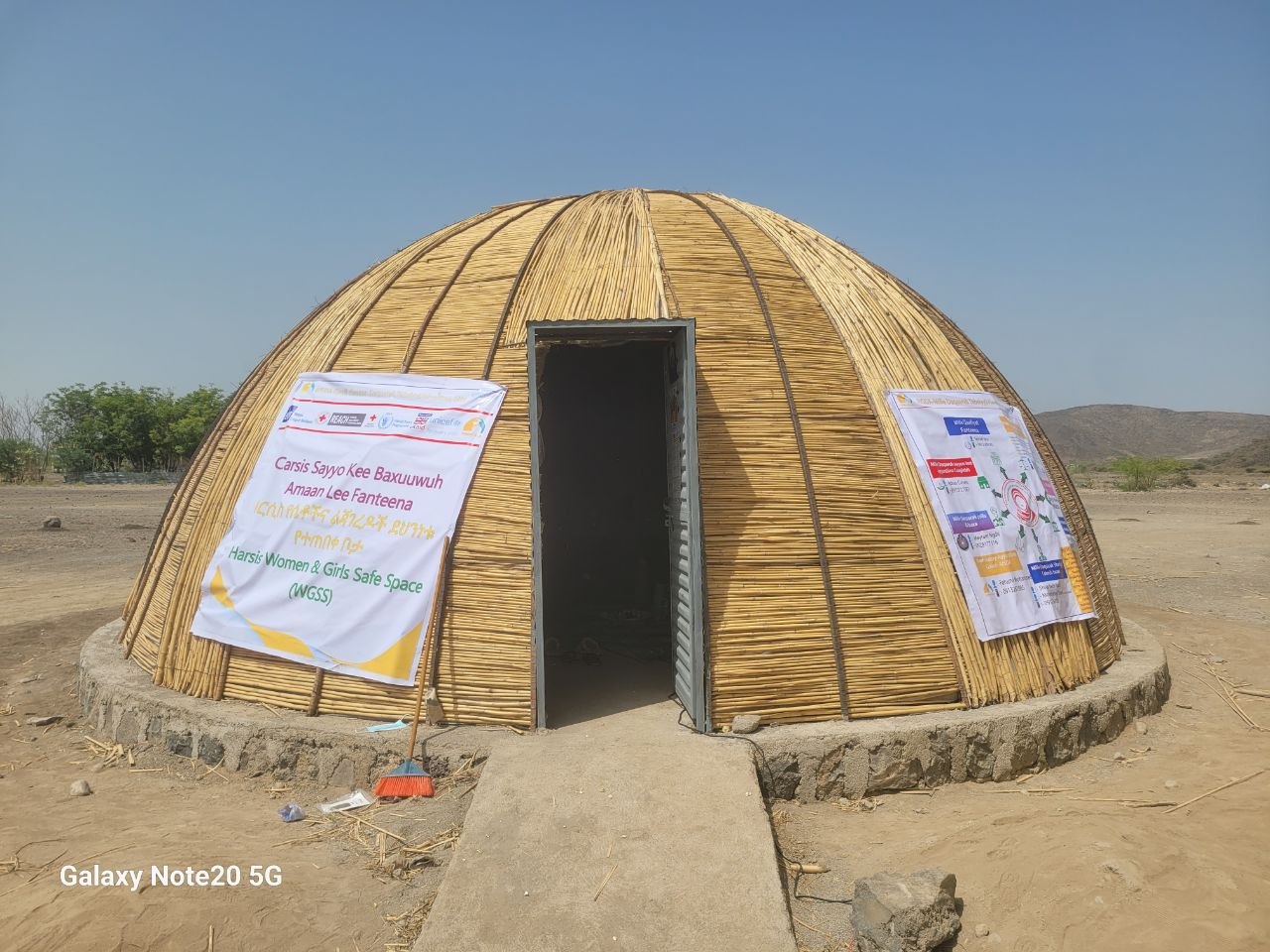
An independent assessment found no fully functioning safe space in any of Afar's seven woredas. In response, the GBViE programme built four from the ground up — and a system of care around them.
The Programme
Prevention, risk mitigation, and response to GBV in emergencies
Across seven woredas — the programme identifies survivors and women and girls at heightened risk, connects them to life-saving health, psychosocial, legal, and protection services, and strengthens the wider system of health facilities, schools, service providers, and communities so that support sits closer to home, and prevention becomes part of everyday life.
Implemented by AISDA (Action for Integrated Sustainable Development Association), with support from UNICEF and UK aid (FCDO), as part of the wider Ethiopia Crisis to Resilience (EC2R) consortium response.
AISDA · GBViE Programme Field Success Stories
From Crisis to Resilience: A Girl Finds Her Voice and a Path to Safety
| The Change | Fatuma stopped an arranged child marriage through timely support, remaining in school and connected to local protection services. |
| Project | Prevention, Risk Mitigation, and Response to GBV in Emergencies in Afar Region |
| Implementer | AISDA |
| Funders | UNICEF / FCDO |
Introduction
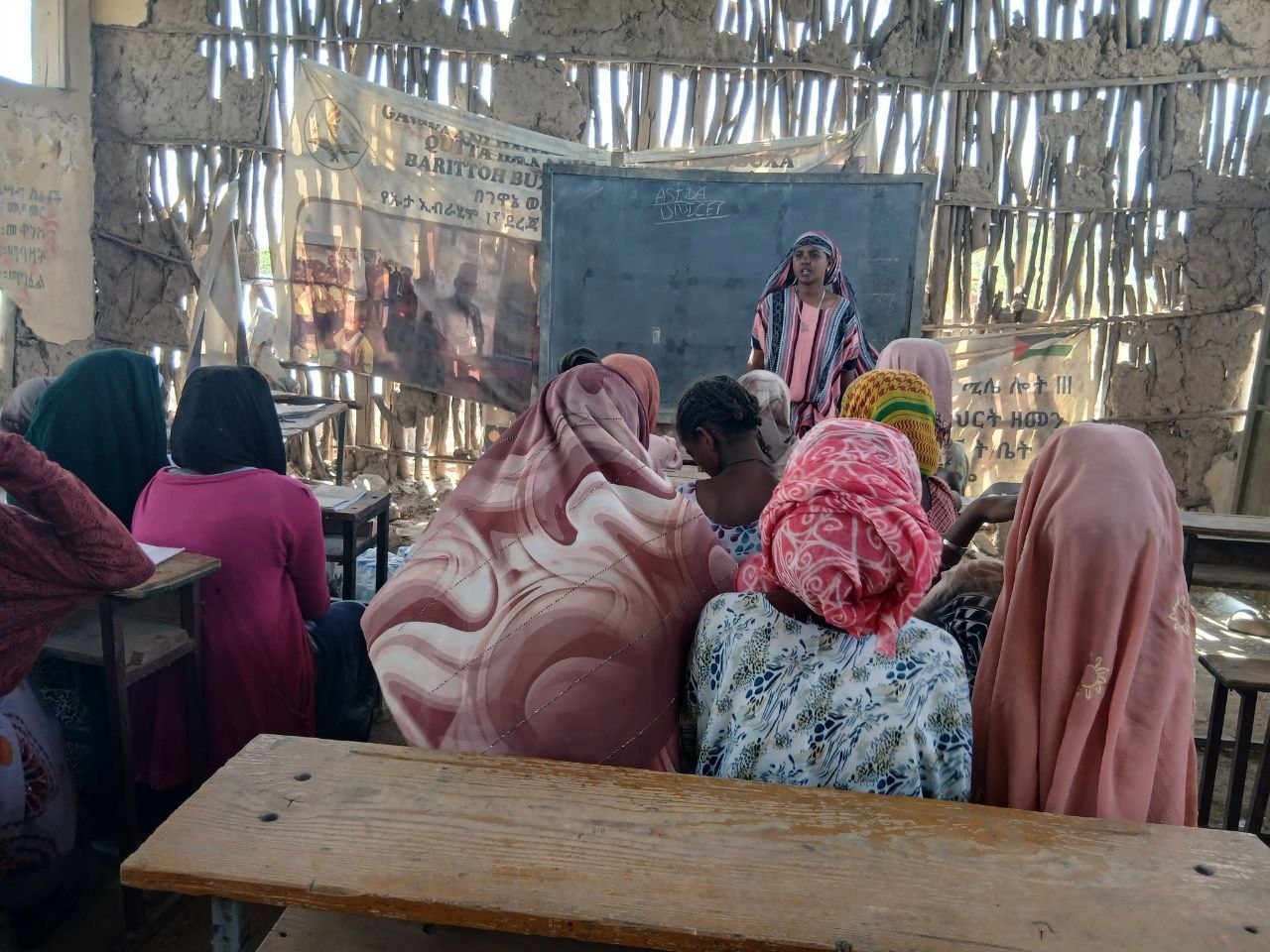
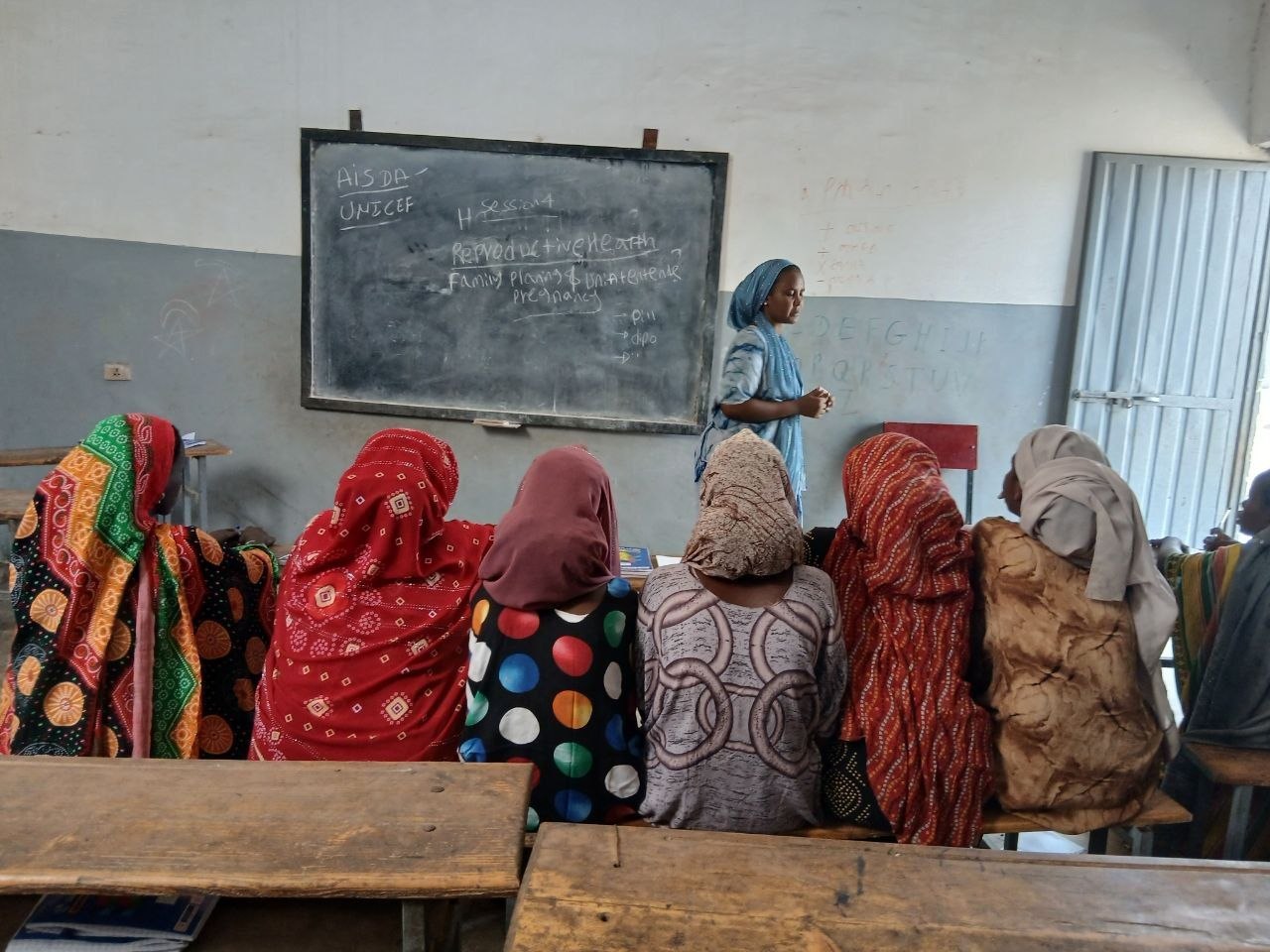
Fatuma is 14, in Grade 6, and growing up in Hado Kebele, Dalifage Woreda — an agro-pastoralist community in Afar Region where families like hers depend on goats, camels, and rain that has grown less and less reliable. Education is what she holds onto. Despite the pressures on her family, she has stayed committed to school and to the future she imagines beyond it. Two weeks before the biggest decision of her young life was made for her, she sat in a Life Skills and Sexual and Reproductive Health (SRH) session run by AISDA social workers in her community — a session that would matter more than anyone could have predicted.
The Issue
Drought and the economic strain of conflict had pushed Fatuma’s family into a difficult position. Under mounting financial pressure, and shaped by traditional expectations, her family began arranging her marriage — through the traditional Absuma arrangement — to an older man from a neighboring clan. The marriage was intended to secure bride-wealth that could help the family cope with hardship. For Fatuma, this meant the end of school and the start of a life she wasn’t ready for. As a young girl, she felt she had no standing to challenge decisions made by family elders, and no clear sense of where she might turn for help. What she did have, though, was something she had learned only weeks earlier. During the life-skills and SRH session, she heard about her rights, the risks of early pregnancy, and the protection and support services available to her — including the One-Stop Center in Dalifage woreda. Most importantly, she came away from that session understanding one thing clearly: she had a voice, and support existed if she chose to use it.
Action Taken
When Fatuma reached out, she was met by a female GBV caseworker in a private, secure setting. The caseworker listened, validated what she was feeling, and carried out a safety and needs assessment — all while protecting her confidentiality. Her immediate needs were addressed directly, with cash support and a dignity kit containing sanitary pads, soap, clean clothing, and a flashlight. The response did not stop with Fatuma alone. Recognizing how closely her situation was tied to family and community structures — and with her informed consent — the caseworker engaged a local administrator and a clan elder who had previously taken part in project-supported community dialogue. It meant the response could address both Fatuma’s immediate safety and the wider context she was living inside.
Impact
The planned marriage was stopped. Fatuma remains connected to her education and is expected to continue her studies into the coming academic year — the future she had been holding onto all along. For a girl who had felt she had no way to challenge a decision made above her, that shift — from not knowing to knowing — became the turning point. Through the GBViE intervention, she accessed confidential psychosocial support, immediate material assistance, and protection services, while the engagement of trusted community members helped build a safer environment around her, one that respected her dignity and her own informed choices throughout.
Conclusion
Fatuma’s story is not only about one girl’s narrow escape from an early marriage. It is a reminder of what becomes possible when girls in crisis-affected communities have real access to information, protection services, and support that treats their dignity as non-negotiable. Two weeks made the difference between silence and a way out. For Fatuma — and for the girls like her still deciding whether they have a voice — that is exactly the point.
Programme Note: Lessons for GBViE Programming
- Protection Information: Life-skills and SRH sessions help girls identify rights and services before a crisis hits.
- Survivor-Centred Services: Confidential services are essential for girls to seek help without fear of exposure or retaliation.
- Economic Support: Economic vulnerability and GBV risk are interconnected; protection-oriented cash assistance eases drivers of risk.
- Community Engagement: Conducted with informed consent, community engagement strengthens protection responses without compromising confidentiality.
- Referral Pathways: Links between community workers, life-skills activities, and One-Stop Centers need continued strengthening.
Programme Interventions
Specialized Survivor Support
436 survivors and women/girls at risk received direct case management support. Qualified case managers delivered individualized action plans, psychosocial first aid, and safe referrals.
Women & Girls' Safe Spaces (WGSS)
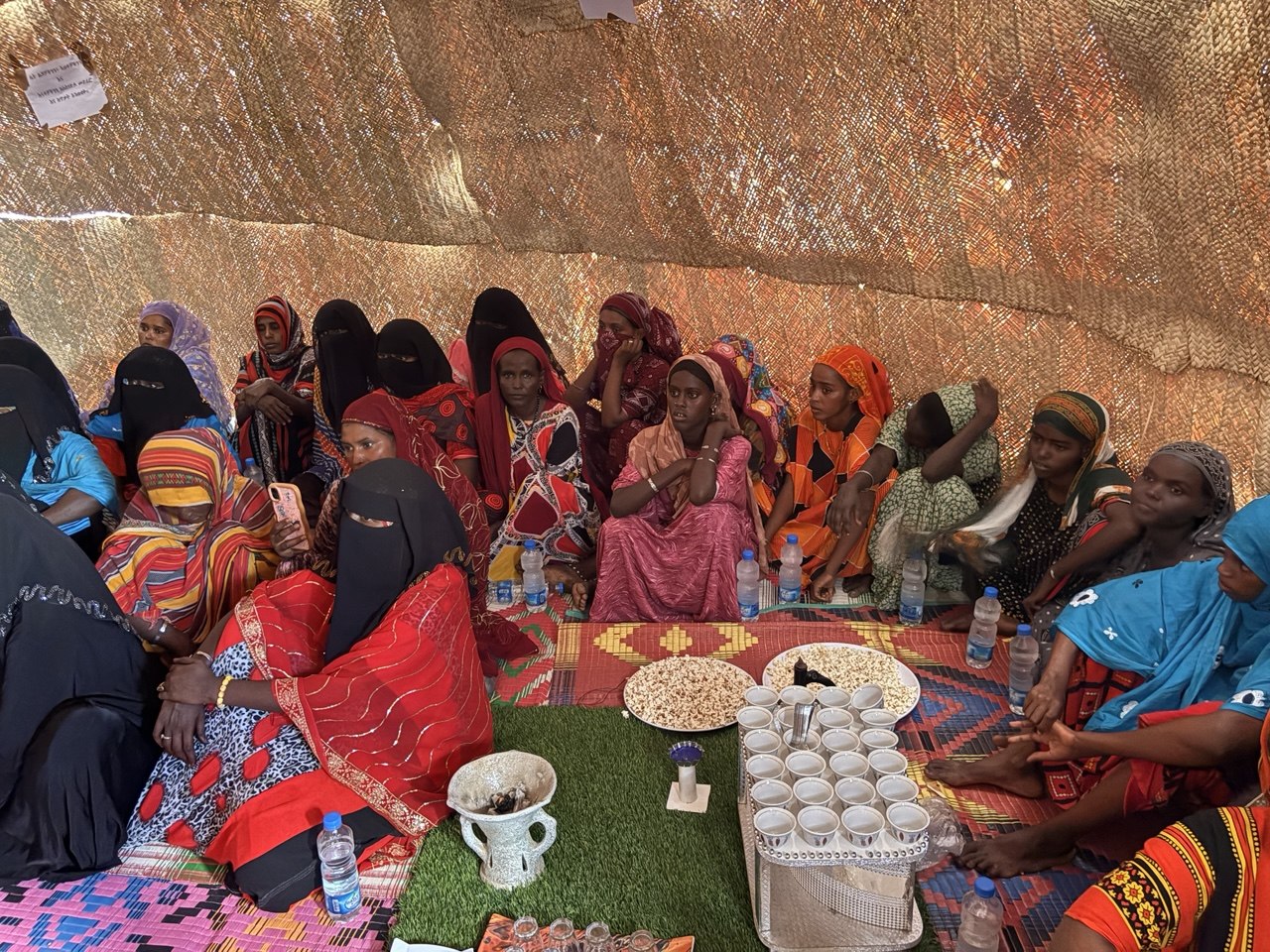
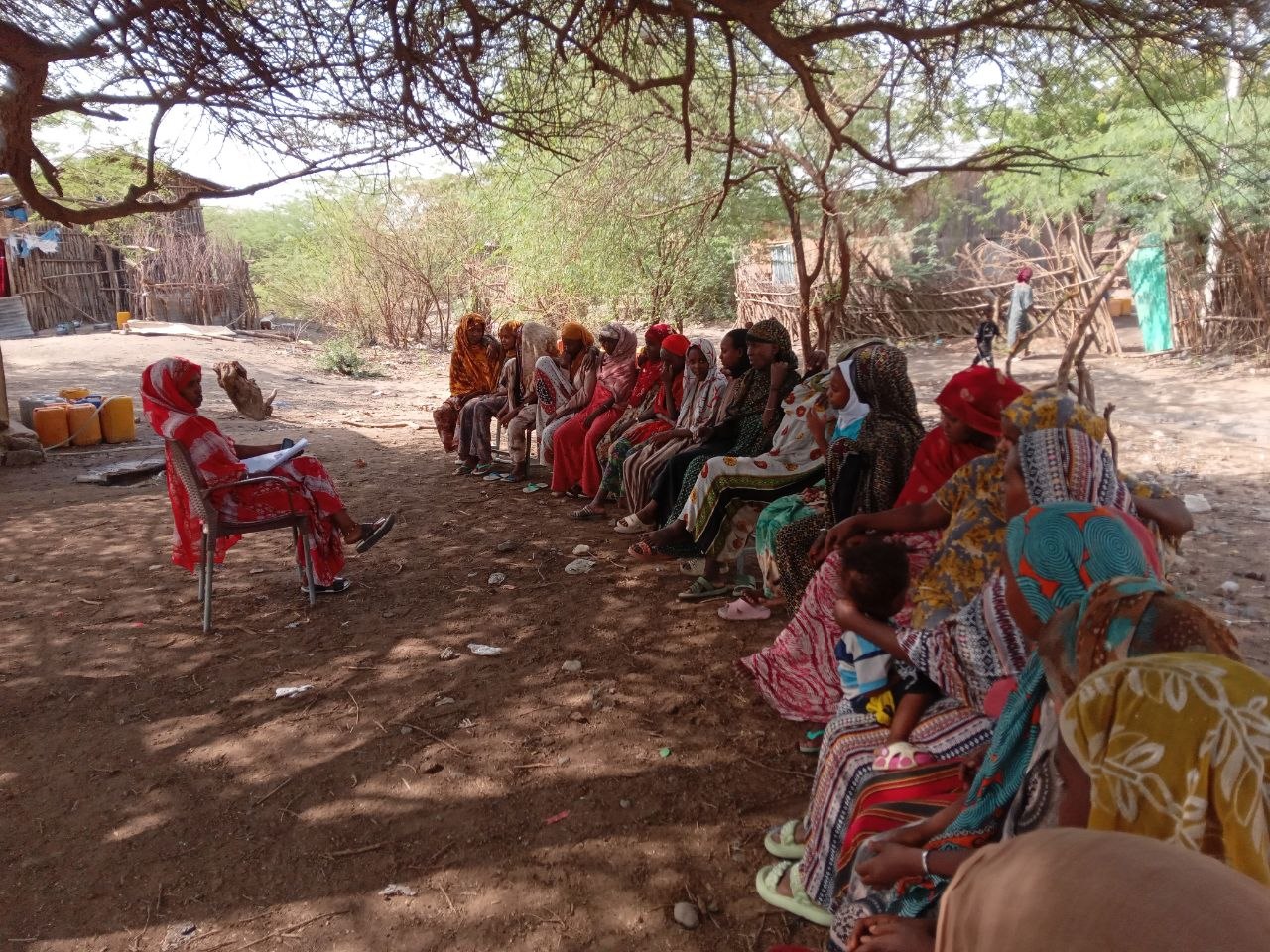
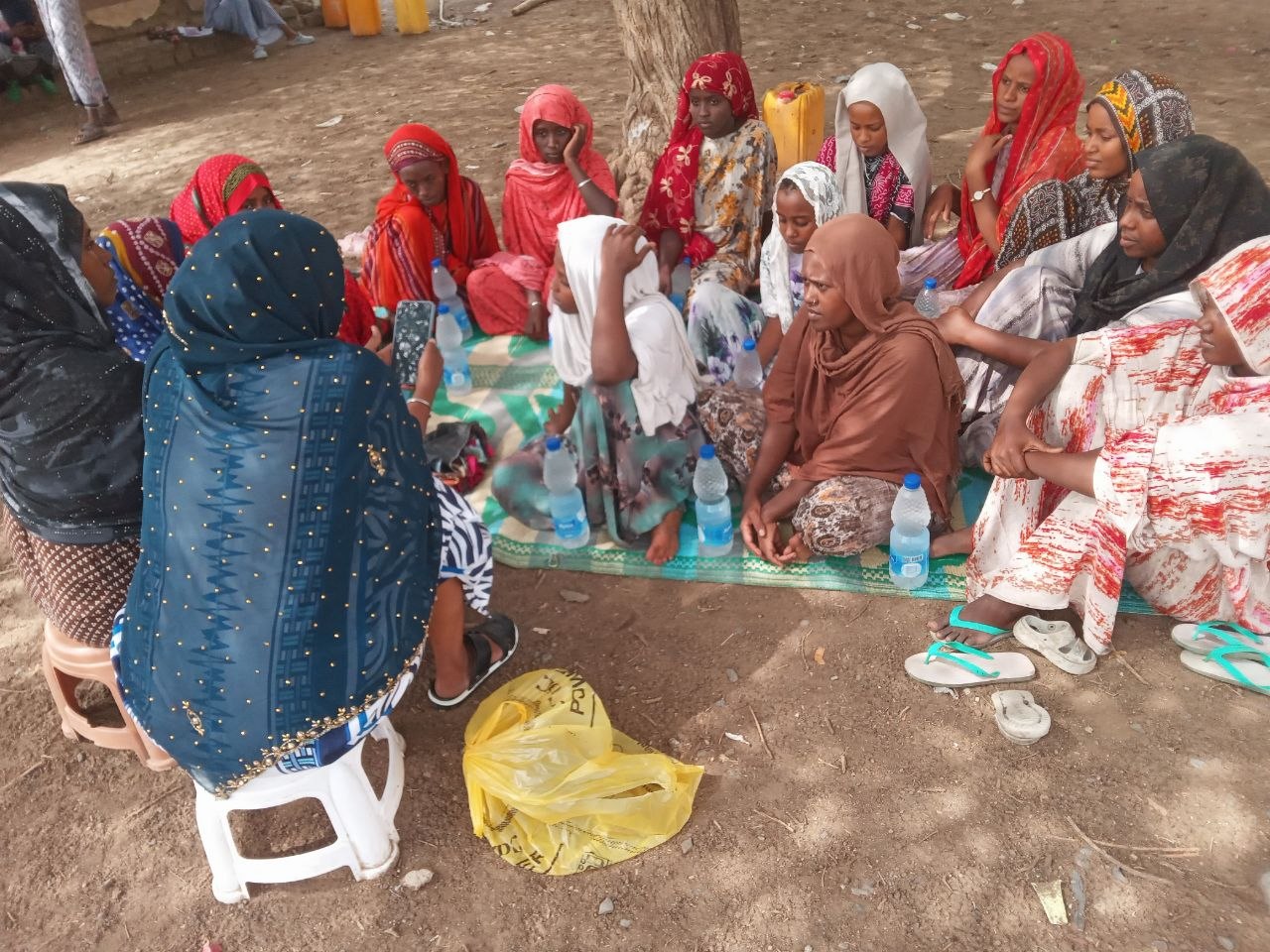
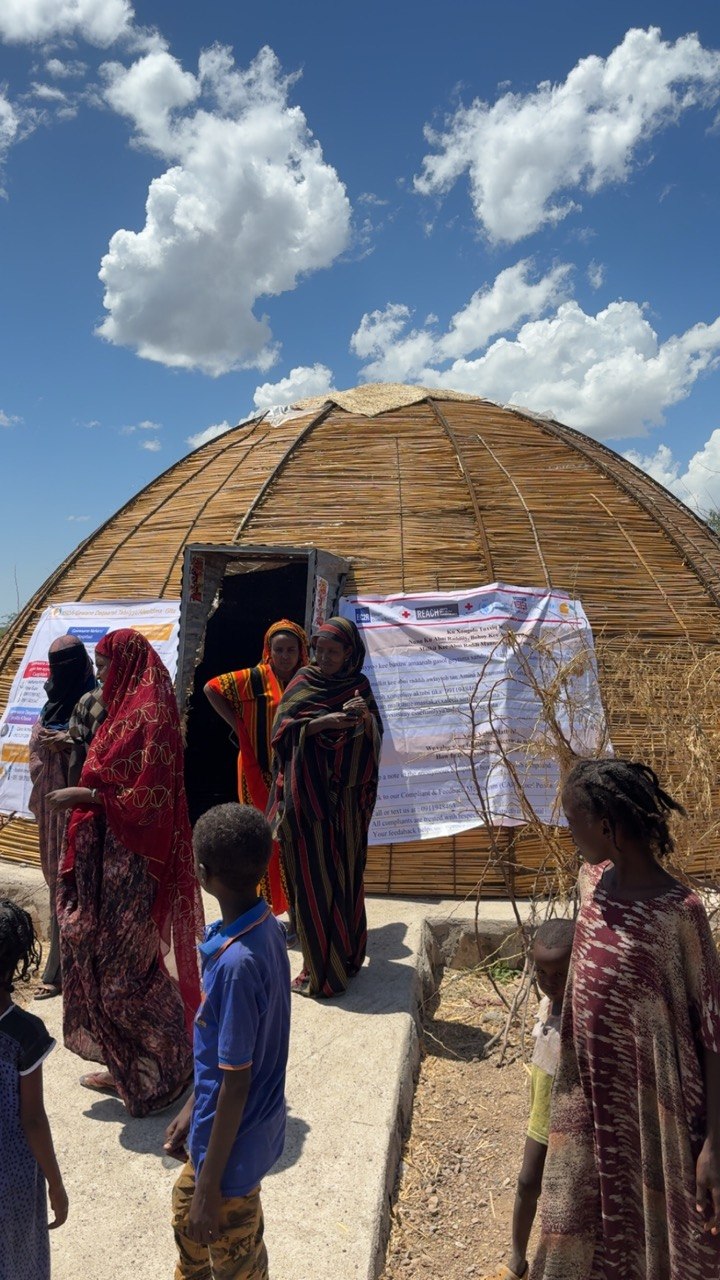
Established and operationalized 4 new safe spaces across targeted woredas, providing 720 women and girls with a secure sanctuary for peer support, recreation, and empowerment activities.
Dignity Kit Distribution
Distributed 4,428 culturally appropriate dignity kits to vulnerable women and girls, restoring personal hygiene, dignity, and mobility during displacement and crisis.
Clinical Management of Rape (CMR)
Trained healthcare providers and upgraded clinical facilities to ensure survivors of sexual violence receive prompt medical treatment, PEP, and compassionate care.
Frontline Workforce Training
Equipped 643 health, social work, justice, and education staff with advanced skills in GBV survivor support, ethical data collection, and referral coordination.
Dialogue & Social Norms Change
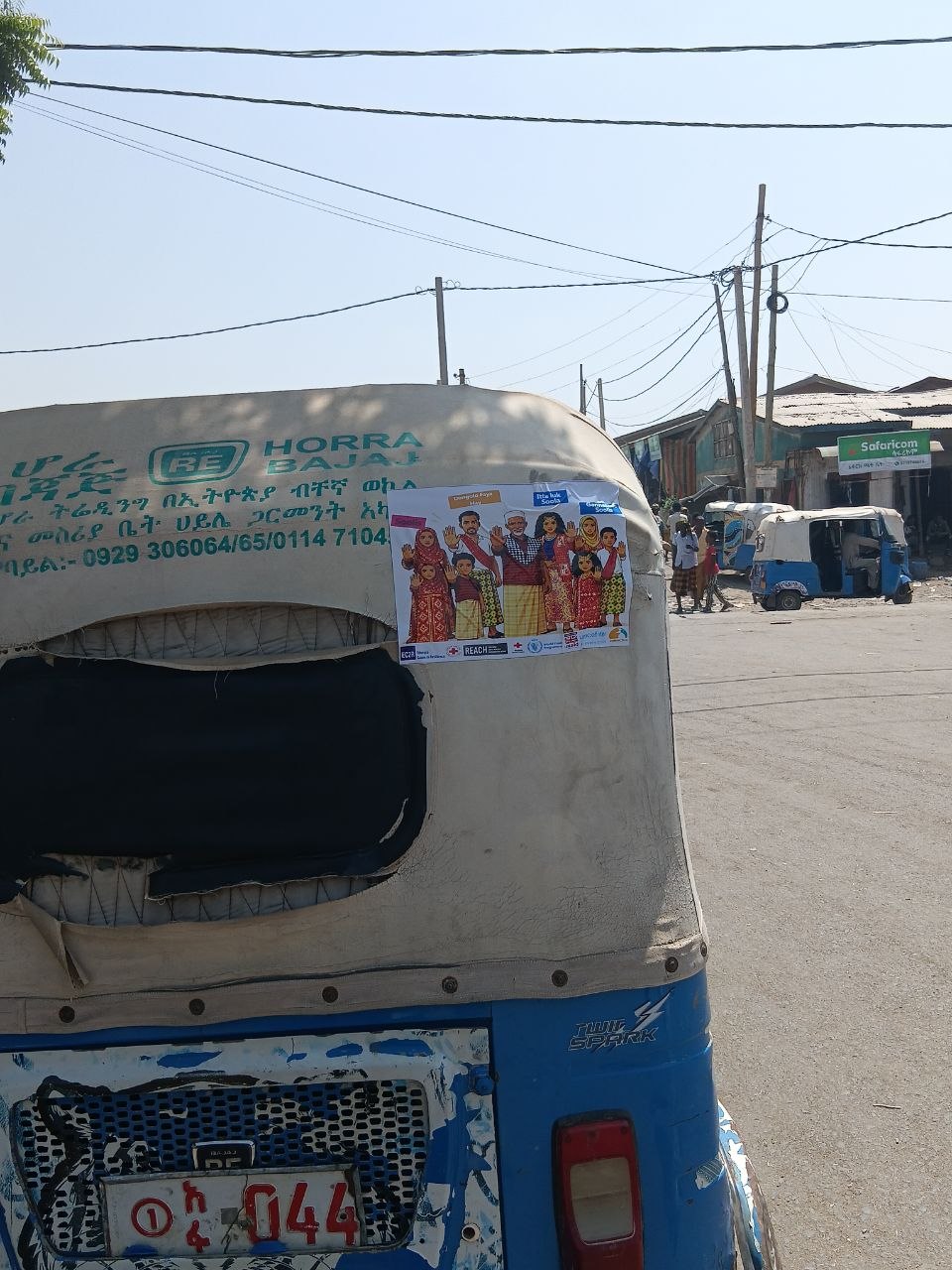
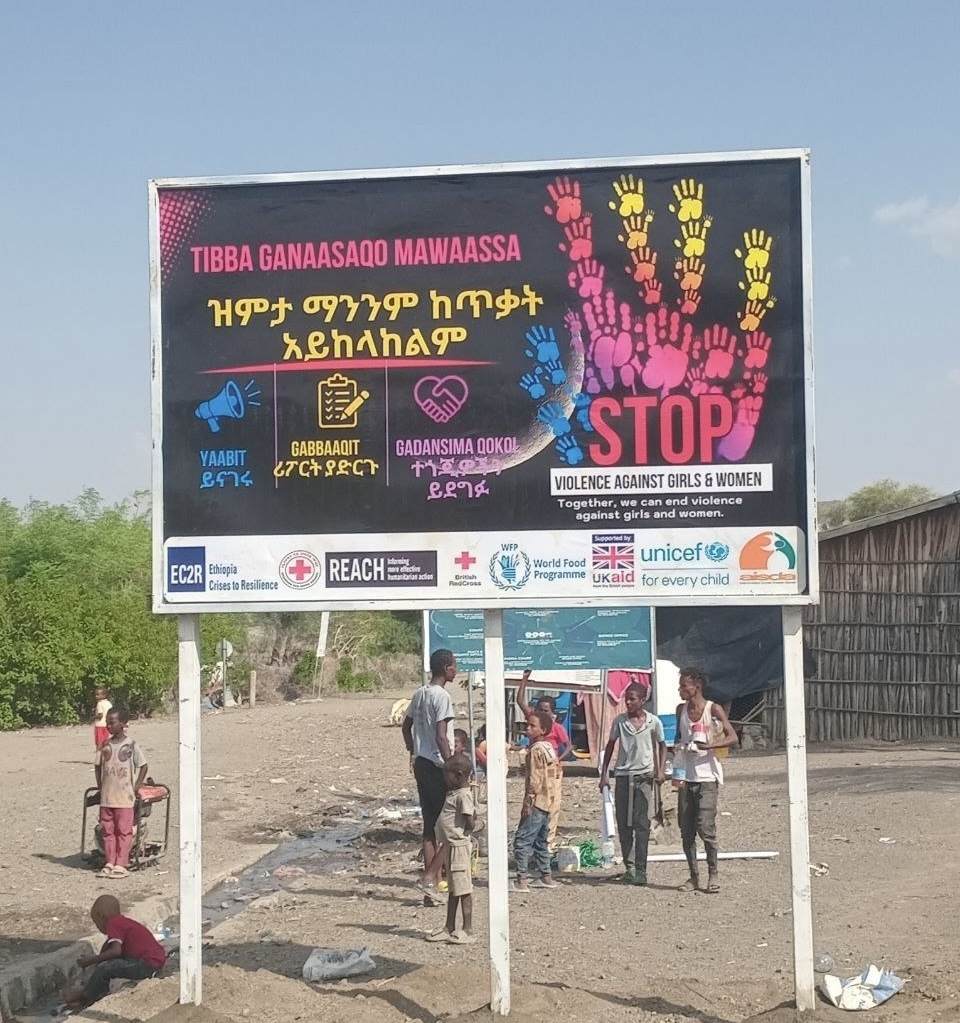
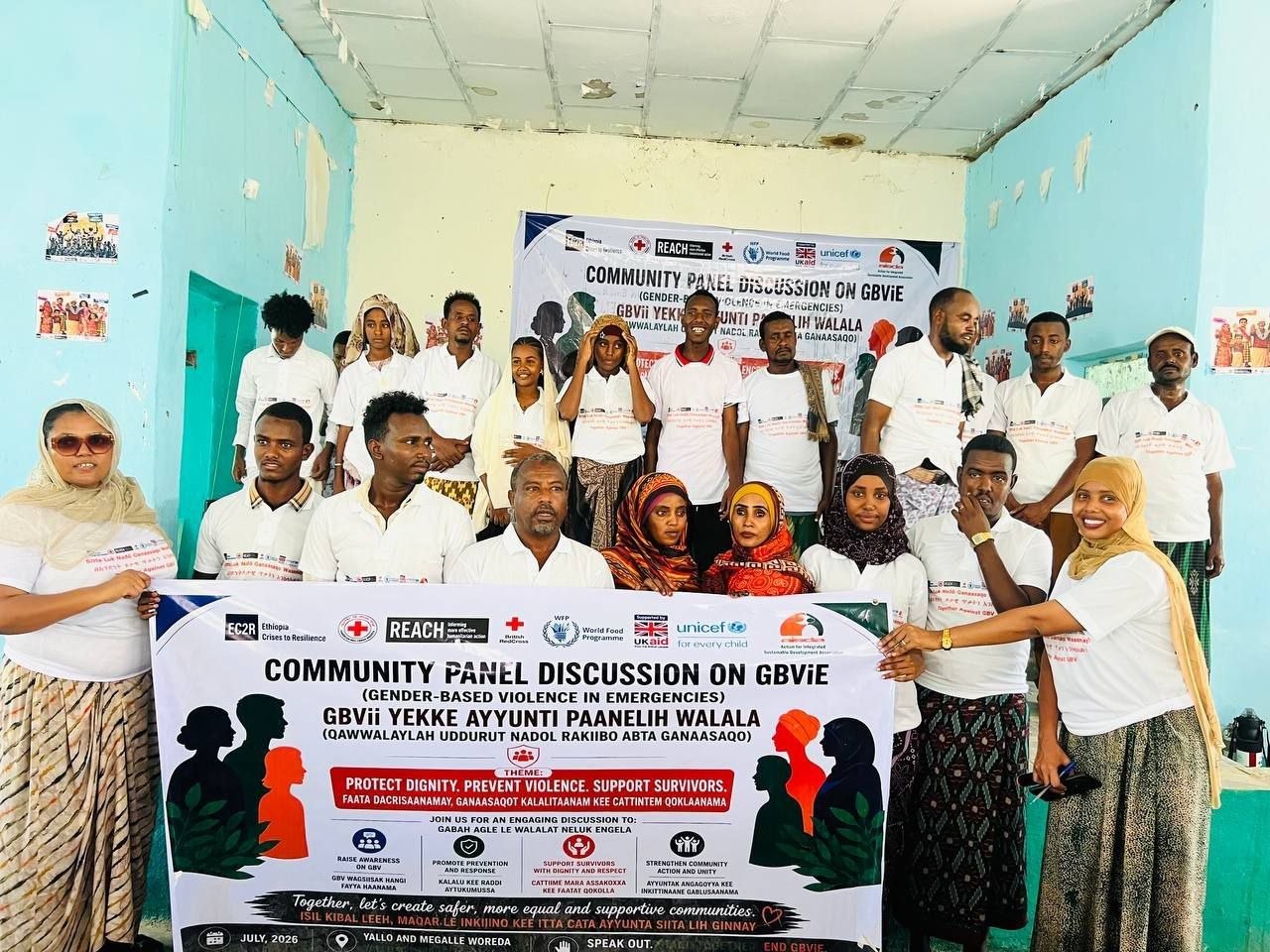
Engaged over 7,240 community members, religious leaders, and students through awareness campaigns addressing harmful traditional practices and promoting gender equality.
Access to Justice & Rights
Strengthened linkages with local justice systems and legal aid providers to ensure survivors have safe, confidential avenues to pursue accountability and legal remedies.
Multi-Sectoral Referral Pathways
Strengthened 13 service delivery points and streamlined referral mechanisms across health, security, and social sectors to ensure seamless multi-sectoral support.
Economic Risk Mitigation
Integrated targeted economic support and cash assistance for highly vulnerable households to reduce survival risks and enhance household economic resilience.
Quality Assurance & Guidelines
Translated 244 national GBV case management guidelines into local languages and established robust monitoring systems for continuous programme adaptation.
Programme Gallery & Field Work
Assessment & Programme Response
Critical Gaps Identified
No Functioning Safe Spaces
Initial assessments across all seven target woredas revealed a complete absence of safe, dedicated physical spaces for women and girls.
High Protection Risks
Ongoing drought and displacement significantly escalated vulnerabilities to gender-based violence, early marriage, and harmful traditional practices.
Limited Referral Capacity
Local service providers lacked standardized case management guidelines, trained personnel, and secure infrastructure to handle sensitive disclosures safely.
Comprehensive Response
Constructed and operationalized 4 new Women and Girls' Safe Spaces (WGSS) equipped for community activities and psychosocial support.
Trained over 600 frontline workers across health, education, and social sectors to establish standardized, survivor-centred care.
Distributed thousands of dignity kits and integrated protection cash assistance to mitigate immediate economic drivers of risk.
Translated essential national case management guidelines into local languages to ensure permanent institutional capacity.